



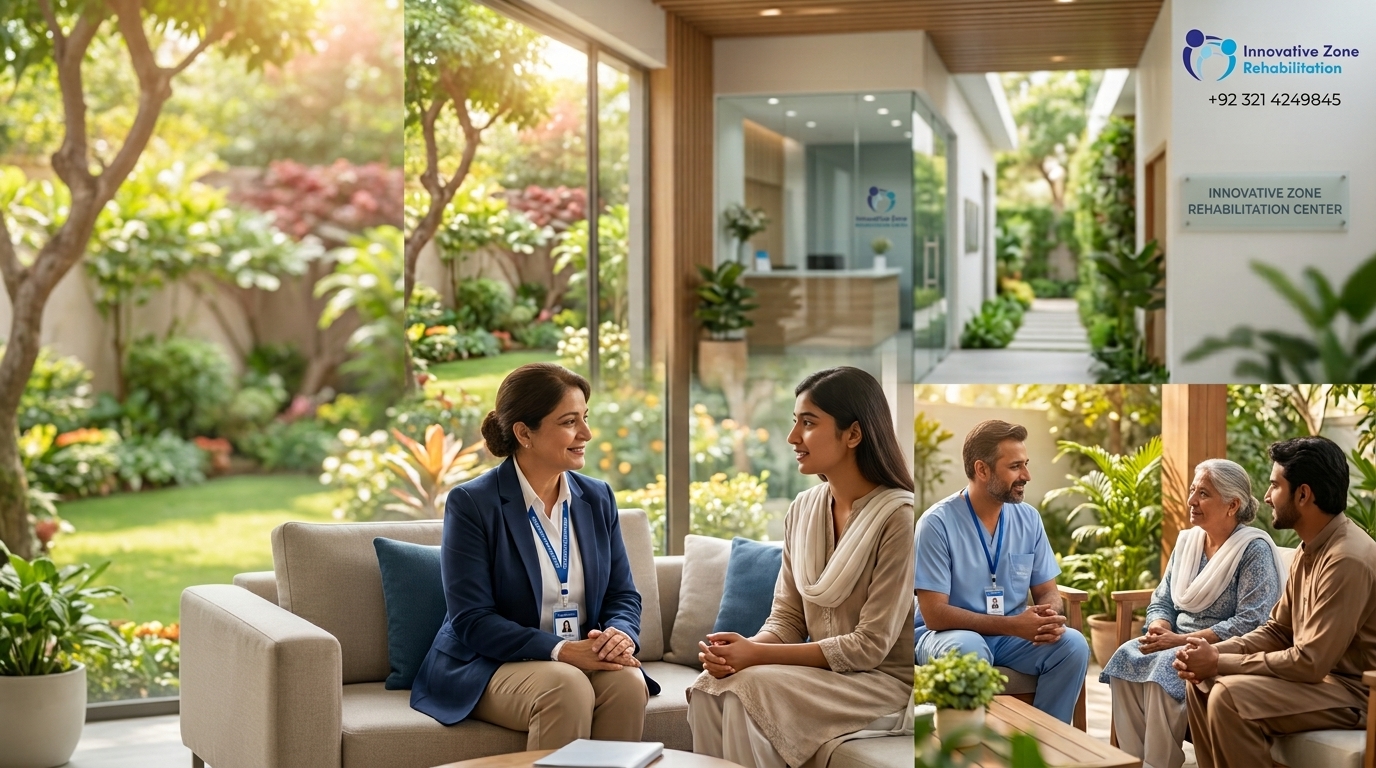
Top Drug addiction center in Lahore | Rehab & Recovery
Drug addiction can affect every part of a person’s life, including physical health, mental well-being, family relationships, education, career, and financial stability. For someone struggling with substance dependence, getting professional help can be an important step toward a healthier and more stable future.
A professional Drug addiction center in Lahore can provide structured care, counseling, rehabilitation, and ongoing recovery support. Treatment should be tailored to the individual because addiction affects people differently, and the appropriate approach depends on the substance involved, the severity of dependence, overall health, and personal circumstances.
Drug Addiction Treatment in Lahore
Drug addiction is a complex condition in which a person continues using a substance despite experiencing harmful consequences. It may involve substances such as opioids, heroin, cocaine, methamphetamine, cannabis, or the misuse of prescription medicines.
Professional treatment focuses on more than simply stopping drug use. Effective rehabilitation can address the physical, psychological, behavioral, and social factors associated with addiction.
A treatment program may begin with a comprehensive assessment. Healthcare professionals can evaluate the person’s substance use, medical history, mental health, and recovery needs before developing an individualized treatment plan.
Our Drug Addiction Treatment Program
A structured addiction treatment program may include several stages designed to support recovery.
Initial Assessment and Treatment Planning
The first step is usually an assessment of the individual’s condition and treatment requirements. Professionals may consider the type and duration of substance use, previous treatment attempts, withdrawal risks, and other health concerns.
Based on this assessment, an appropriate treatment plan can be developed.
Detoxification Support
Detoxification is the process through which the body clears a substance. Withdrawal can sometimes be uncomfortable or medically dangerous, depending on the substance and the person’s level of dependence.
For this reason, people with significant physical dependence may require medical supervision during withdrawal. Detoxification should not be attempted without professional guidance when there is a risk of serious withdrawal complications.
Counseling and Behavioral Therapy
Counseling is an important component of addiction recovery. Therapy can help individuals understand triggers, unhealthy patterns, emotional difficulties, and behaviors associated with substance use.
Individual counseling provides an opportunity to work privately with a trained professional, while group therapy can help people share experiences and develop supportive connections with others facing similar challenges.
Relapse Prevention
Recovery does not end when a person stops using drugs. Relapse prevention can help individuals recognize situations that may increase the risk of returning to substance use.
Treatment may focus on developing healthier coping strategies, managing cravings, improving decision-making, and building a supportive daily routine.
Drug Detoxification in Lahore
Detoxification is often an early stage of treatment, but it is not the same as complete rehabilitation. Removing drugs from the body does not automatically address the underlying reasons for addiction.
Some people experience withdrawal symptoms such as anxiety, insomnia, sweating, nausea, irritability, or strong cravings. Certain substances can produce severe withdrawal complications that require medical care.
A professional treatment center can assess withdrawal risks and determine whether medical monitoring or additional treatment is appropriate.
After detox, continuing with counseling and rehabilitation is important because long-term recovery generally requires attention to behavioral and psychological factors as well as physical dependence.
Rehabilitation and Recovery Programs
Rehabilitation provides a structured environment in which individuals can focus on recovery and develop skills for life without drugs.
Inpatient or Residential Rehabilitation
Residential rehabilitation involves staying at a treatment facility for a structured period. This type of program can provide separation from environments, routines, or social situations that may contribute to substance use.
It may be particularly helpful for individuals who need a higher level of structure and support.
Outpatient Treatment
Outpatient programs allow individuals to receive treatment while continuing to live at home. Depending on the person’s needs, outpatient care may include counseling, therapy sessions, medical appointments, and recovery planning.
The appropriate level of care should be determined through a professional assessment.
Family Support
Addiction affects families as well as individuals. Family counseling and education can help relatives understand addiction, establish healthy boundaries, communicate more effectively, and support recovery without unintentionally enabling harmful behavior.
Family involvement can be especially valuable when a person is working toward long-term recovery.
Why Choose a Drug Rehab Center in Lahore?
Choosing an appropriate treatment center is an important decision. Individuals and families should look for a facility that provides qualified professional care, individualized treatment, appropriate medical support, and a clear recovery plan
Important factors to consider include:
- Qualified and experienced treatment professionals
- Individualized treatment plans
- Appropriate medical supervision
- Counseling and behavioral therapy
- A safe and supportive environment
- Confidentiality and respect for patients
- Relapse-prevention planning
- Continuing care and aftercare support
It is also important to ask what services are actually provided rather than choosing a facility based only on claims of being the “best” or “top” center.
Who Can Benefit From Addiction Treatment?
Professional addiction treatment may be appropriate for people who:
- Are unable to stop using drugs despite repeated attempts
- Experience strong cravings or withdrawal symptoms
- Have developed problems at work, school, or home because of drug use
- Continue using substances despite health or relationship problems
- Have experienced repeated relapse
- Need professional support to begin or maintain recovery
A person does not necessarily need to wait until addiction becomes severe before seeking help. Early professional assessment can help identify appropriate treatment options.
Benefits of Professional Drug Addiction Treatment
Professional rehabilitation can provide several potential benefits.
A Structured Recovery Environment
A structured treatment setting can reduce exposure to immediate triggers and provide a consistent routine focused on recovery.
Professional Guidance
Healthcare and mental health professionals can help identify medical, psychological, and behavioral needs that may otherwise be overlooked.
Better Coping Skills
Therapy can help individuals develop healthier ways to manage stress, emotions, cravings, and difficult situations.
Support During Recovery
Addiction can be isolating. Counseling, peer support, and family involvement can provide encouragement throughout the recovery process.
Relapse Prevention
Treatment can help individuals recognize warning signs and create practical strategies for managing situations that could increase the risk of relapse.
How Drug Addiction Treatment Works
Although every treatment plan is different, the recovery process may generally involve several stages.
Step 1: Assessment
A professional evaluates the person’s substance use, physical health, mental health, and recovery requirements.
Step 2: Personalized Treatment Plan
The treatment team develops an approach based on the individual’s needs and level of care.
Step 3: Detoxification, When Appropriate
If withdrawal management is required, medical professionals can determine the safest approach.
Step 4: Rehabilitation and Therapy
Counseling and behavioral therapies help address the factors contributing to substance use.
Step 5: Recovery Planning
The individual develops strategies for maintaining sobriety and handling triggers after formal treatment.
Step 6: Aftercare and Follow-Up
Ongoing support can help maintain progress and identify problems before they develop into a major setback.
What to Look for in a Drug Addiction Treatment Center
When searching for a drug rehab center in Lahore, families should consider the quality and range of services rather than relying solely on advertisements.
Ask about the qualifications of the treatment team, the types of therapies available, emergency procedures, medication policies, length of treatment, family involvement, and aftercare services.
It is also useful to understand whether the center provides medical care for people experiencing withdrawal and whether it can refer patients to appropriate healthcare services when additional treatment is needed.
A transparent treatment provider should be willing to explain its approach, expected treatment process, costs, and available services.
Frequently Asked Questions
What is drug addiction treatment?
Drug addiction treatment is a combination of medical, psychological, behavioral, and supportive services designed to help a person stop problematic substance use and build skills for long-term recovery.
How long does drug rehabilitation take?
There is no single treatment duration that works for everyone. The appropriate length depends on the substance involved, severity of dependence, medical and psychological needs, previous treatment history, and progress during rehabilitation.
Is drug detoxification enough to treat addiction?
No. Detox can help manage the physical process of withdrawal, but it does not by itself address the psychological and behavioral aspects of addiction. Continuing treatment and recovery support are often important.
Can addiction be treated successfully?
Many people are able to achieve long-term recovery with appropriate treatment and ongoing support. Addiction can also involve periods of relapse, so recovery plans should include strategies for recognizing and responding to setbacks.
How can families help someone with addiction?
Families can encourage professional help, listen without judgment, establish healthy boundaries, and participate in appropriate family education or counseling. They should avoid actions that unintentionally support continued substance use.
Start the Recovery Journey
Choosing professional help can be a meaningful first step for someone struggling with drug addiction. A qualified drug addiction treatment center in Lahore can assess individual needs and recommend an appropriate level of care, from medically supervised withdrawal management to counseling, rehabilitation, and aftercare.
If you or someone you care about is struggling with substance use, consider speaking with a qualified healthcare or addiction-treatment professional. Recovery is a process, and with appropriate support, individuals can work toward healthier habits, stronger relationships, and a more stable future.

