



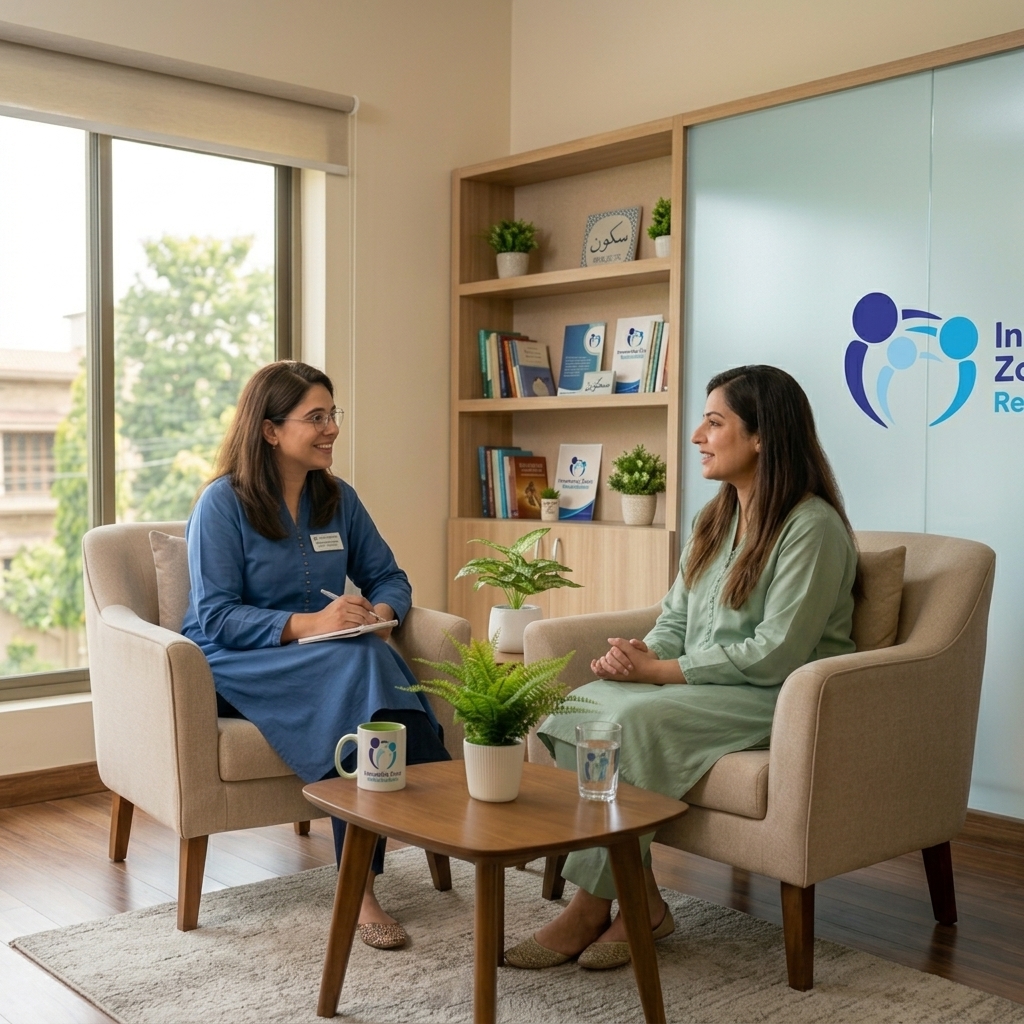
Best Counseling Services in Lahore | Trusted Professional Support
Life can sometimes bring emotional, personal, family, relationship, or addiction-related challenges that feel difficult to manage alone. Professional counseling can provide a safe and supportive environment where individuals can discuss their concerns, understand their emotions, and develop healthier ways to cope with difficult situations.
For people searching for the best counseling services in Lahore, choosing a qualified and trustworthy professional is an important decision. Effective counseling should be respectful, confidential, personalized, and focused on the individual’s specific needs.
Whether someone is dealing with stress, relationship difficulties, family problems, addiction, major life changes, or emotional challenges, professional counseling can provide guidance and support throughout the process.
What Are Counseling Services?
Counseling is a professional service that helps individuals understand and manage personal, emotional, behavioral, and relationship-related concerns. A trained counselor provides a supportive environment where clients can discuss their experiences without unnecessary judgment.
Counseling does not simply involve giving advice. Instead, it can help individuals explore their thoughts, feelings, behaviors, and challenges while developing practical coping strategies.
The goals of counseling can vary from person to person. Some individuals may want help managing stress, while others may need support with relationships, addiction recovery, family conflicts, or significant life changes.
Best Counseling Services in Lahore
Professional counseling services in Lahore can support people dealing with a wide range of challenges. A suitable counseling program should begin by understanding the individual’s situation rather than applying the same approach to everyone.
A professional counselor may conduct an initial consultation to understand the person’s concerns, goals, history, and current circumstances. Based on this discussion, an appropriate counseling approach can be considered.
Confidentiality and respect are also important parts of the counseling process. People should feel comfortable discussing sensitive concerns in an environment where they are treated with dignity.
Types of Counseling Services We Offer
Different concerns may require different types of counseling. Professional counseling services can be tailored to individual needs.
Individual Counseling
Individual counseling involves one-on-one sessions between a client and a trained counselor. It provides a private setting to discuss personal concerns, emotional difficulties, behavioral patterns, and life challenges.
Individual counseling may help people develop better coping skills, understand their emotions, improve decision-making, and work toward personal goals.
Family Counseling
Family relationships can sometimes become difficult because of communication problems, misunderstandings, addiction, financial stress, or other challenges.
Family counseling can provide a structured environment where family members can communicate more effectively and understand each other’s perspectives.
The goal is not necessarily to eliminate every disagreement but to encourage healthier communication, appropriate boundaries, and constructive problem-solving.
Addiction Counseling
Counseling can be an important part of addiction treatment and recovery. Individuals struggling with drugs or alcohol may experience cravings, emotional difficulties, relationship problems, and situations that increase the risk of returning to substance use.
Addiction counseling can help individuals identify triggers, understand behavioral patterns, develop coping strategies, and create plans for maintaining recovery.
Family counseling may also be useful when addiction affects relationships and the wider family.
Relationship Counseling
Relationships can experience difficulties because of communication problems, trust issues, repeated disagreements, or major life changes.
Relationship counseling can help couples understand recurring patterns, improve communication, and work toward healthier ways of resolving disagreements.
Counseling can provide a neutral environment where both individuals have an opportunity to express their concerns and listen to each other.
Stress and Anxiety Counseling
Everyday responsibilities, work pressure, family concerns, financial difficulties, and major life changes can contribute to stress.
Counseling can help individuals understand the sources of their stress and develop healthier coping strategies. Depending on the situation, a counselor may also recommend additional professional assessment or mental health services.
Our Professional Counseling Process
A professional counseling process may involve several stages.
1. Initial Consultation
The first session provides an opportunity to discuss the main concerns and determine whether counseling is appropriate.
The counselor may ask questions about current difficulties, personal circumstances, relationships, previous experiences, and goals.
2. Confidential Assessment
An assessment can help the counselor better understand the individual’s needs. This does not mean making assumptions about the person. Instead, it provides a starting point for developing an appropriate counseling approach.
3. Understanding Individual Concerns
Every person has different experiences and circumstances. Counseling should take these differences into account.
The counselor may help the individual identify patterns, triggers, emotional responses, or relationship difficulties that contribute to current problems.
4. Personalized Counseling Plan
Based on the individual’s concerns and goals, counseling sessions can be structured around specific areas that need attention.
The plan may change over time as the individual makes progress or identifies new concerns.
5. Regular Counseling Sessions
Regular sessions provide continuity and allow individuals to work gradually toward their goals.
Depending on the situation, sessions may focus on communication, emotional regulation, coping skills, addiction recovery, relationship concerns, or personal development.
6. Progress Monitoring
Counseling is an ongoing process. Progress can be reviewed periodically to determine whether the current approach is useful and whether goals need to be adjusted.
7. Ongoing Support
Some people may benefit from continued counseling after their initial concerns have improved. Others may need only short-term support.
The appropriate duration depends on individual circumstances.
Benefits of Professional Counseling
Professional counseling can provide several potential benefits.
Better Emotional Awareness
Counseling can help individuals recognize and understand their emotions rather than reacting automatically to difficult situations.
Improved Coping Skills
People can learn healthier strategies for dealing with stress, conflict, difficult emotions, and challenging life circumstances.
Healthier Communication
Counseling can help individuals improve communication skills and express concerns more clearly and respectfully.
Support During Difficult Situations
Major life changes, relationship problems, family difficulties, or other challenges can feel overwhelming. Professional counseling can provide structured support during these periods.
Improved Relationships
Counseling can help individuals understand relationship patterns, improve communication, and establish healthier boundaries.
Greater Self-Understanding
Exploring thoughts, emotions, and behaviors with a trained professional can help individuals develop greater awareness of themselves and their goals.
Counseling for Addiction and Recovery
Counseling can play an important role in addiction recovery. Addiction is a complex condition, and stopping substance use may not address all of the factors that contributed to it.
Addiction counseling can focus on identifying triggers, understanding cravings, developing healthier coping strategies, and preparing for situations that could increase the risk of relapse.
For individuals receiving treatment at a rehabilitation facility, counseling may be combined with medical care, behavioral therapy, family support, and aftercare.
People experiencing significant substance dependence may also require medical assessment, particularly when withdrawal can create health risks.
Why Choose Our Counseling Services in Lahore?
When selecting counseling services, individuals should consider the qualifications and experience of the professional as well as the type of support offered.
Important factors include:
- Qualified and appropriately trained professionals
- A confidential and respectful environment
- Personalized counseling plans
- Clear communication about the counseling process
- Professional and compassionate support
- Appropriate referrals when additional care is required
- Follow-up and ongoing support when needed
A trustworthy counseling provider should also explain the nature of the service, expected session structure, fees, confidentiality policies, and circumstances in which additional professional care may be recommended.
Who Can Benefit From Counseling?
Counseling may be useful for individuals experiencing a wide range of challenges.
It can provide support for:
- People experiencing significant stress
- Individuals dealing with relationship difficulties
- Families experiencing ongoing conflicts
- People struggling with addiction
- Individuals going through major life changes
- People experiencing emotional difficulties
- Individuals who want to improve coping skills
- People seeking personal growth and greater self-understanding
Seeking counseling does not mean that someone is weak or incapable. Many people use professional counseling as a way to understand themselves better and develop healthier ways of managing life’s challenges.
How to Choose the Best Counseling Services in Lahore
Choosing a counselor is a personal decision. Before beginning sessions, it can be helpful to consider several factors.
Check Professional Qualifications
Ask about the counselor’s education, training, professional experience, and areas of specialization.
Understand the Counseling Approach
Different professionals may use different counseling approaches. Ask how the counselor typically works and whether the approach is suitable for your concerns.
Ask About Confidentiality
Confidentiality is an important part of professional counseling. Discuss how personal information is handled and whether there are specific circumstances where confidentiality may have legal or safety-related limitations.
Review Available Services
Some centers provide individual, family, relationship, and addiction counseling. Choose a provider whose services match your needs.
Discuss Session Frequency
Ask how often sessions are recommended and whether the schedule can be adjusted according to your circumstances.
Understand Costs
Before starting treatment, discuss session fees, payment arrangements, cancellation policies, and any additional costs.
Counseling and Professional Mental Health Support
Counseling can be helpful for many personal and emotional concerns, but it is important to recognize when additional professional support may be needed.
If a person is experiencing severe psychological symptoms, significant substance dependence, or an immediate safety concern, a qualified healthcare or mental health professional should assess the situation.
A counselor may also recommend referral to a psychologist, psychiatrist, physician, or addiction-treatment specialist when the person’s needs require additional services.
Counseling works best when the type and level of care match the individual’s needs.
Frequently Asked Questions
What are the best counseling services in Lahore?
The best counseling service depends on the individual’s concerns and goals. Look for appropriately qualified professionals who provide confidential, respectful, and personalized support.
How does professional counseling work?
Counseling usually begins with an initial consultation and assessment. The counselor then works with the individual to identify goals and develop an appropriate approach through regular sessions.
How long does a counseling session take?
Session length can vary depending on the provider and type of counseling. It is best to ask the counseling center about its standard session duration before booking an appointment.
How many counseling sessions are needed?
There is no fixed number of sessions. Some people may benefit from short-term counseling, while others may need longer-term support depending on their concerns and progress.
Is counseling confidential?
Professional counseling generally involves confidentiality, although specific legal or safety-related exceptions may apply. Clients should discuss confidentiality policies with their counselor before beginning treatment.
Can counseling help with addiction?
Yes. Counseling can be an important component of addiction treatment. It can help individuals understand triggers, develop coping skills, manage cravings, and work toward relapse prevention. People with significant physical dependence may also require medical care.
Can family members attend counseling?
Yes, family counseling is available in many settings. It can help family members improve communication, understand difficult situations, establish healthy boundaries, and provide appropriate support.
What is the difference between counseling and therapy?
The terms counseling and therapy are sometimes used interchangeably, although specific meanings can vary by professional and setting. Both can involve structured conversations designed to support emotional and behavioral well-being.
Start Your Journey Toward Better Well-Being
Finding the best counseling services in Lahore can be an important step toward understanding personal challenges and developing healthier ways to manage them.
Whether someone needs individual counseling, family support, relationship counseling, addiction counseling, or help managing stress, professional guidance can provide a safe environment for working through concerns.
The right counseling approach should be based on individual needs, professional assessment, and personal goals. If you or someone you care about is experiencing persistent emotional, behavioral, relationship, or addiction-related difficulties, consider speaking with an appropriately qualified professional.
With the right support, individuals can develop stronger coping skills, improve communication, understand themselves better, and work toward a healthier and more balanced life.