


Best Rehabilitation Centers in Lahore | Trusted Rehab & Recovery
Finding the right rehabilitation center can be an important step for individuals struggling with addiction or substance-related problems. Addiction can affect physical health, emotional well-being, family relationships, work, education, and everyday life. Professional rehabilitation provides structured support to help individuals understand their condition, develop healthier habits, and work toward long-term recovery.
For people searching for the best rehabilitation centers in Lahore, it is important to choose a facility based on the quality of its treatment, professional staff, available programs, safety, privacy, and aftercare services. The right treatment approach should be personalized because every person’s experience with addiction is different.
What Is Rehabilitation Treatment?
Rehabilitation treatment is a structured process designed to help people overcome substance use and develop skills for maintaining a healthier lifestyle. It may involve medical care, counseling, behavioral therapy, family support, recovery education, and ongoing aftercare.
Rehabilitation is different from detoxification. Detox primarily focuses on managing the physical process of withdrawal, while rehabilitation addresses the broader psychological, behavioral, and social factors connected with addiction.
A professional rehabilitation program may help individuals identify the reasons behind their substance use, recognize triggers, improve coping skills, and prepare for life after treatment.
Best Rehabilitation Centers in Lahore
Lahore has a growing need for professional addiction treatment and rehabilitation services. When looking for a rehabilitation center, individuals and families should focus on facilities that offer appropriate professional care and individualized treatment planning.
A quality rehabilitation program should begin with a comprehensive assessment. This can help treatment professionals understand the person’s substance use history, physical health, mental health, previous treatment experiences, and recovery requirements.
Based on this assessment, the treatment team can recommend an appropriate level of care, such as residential rehabilitation, outpatient treatment, counseling, or medically supervised withdrawal management when necessary.
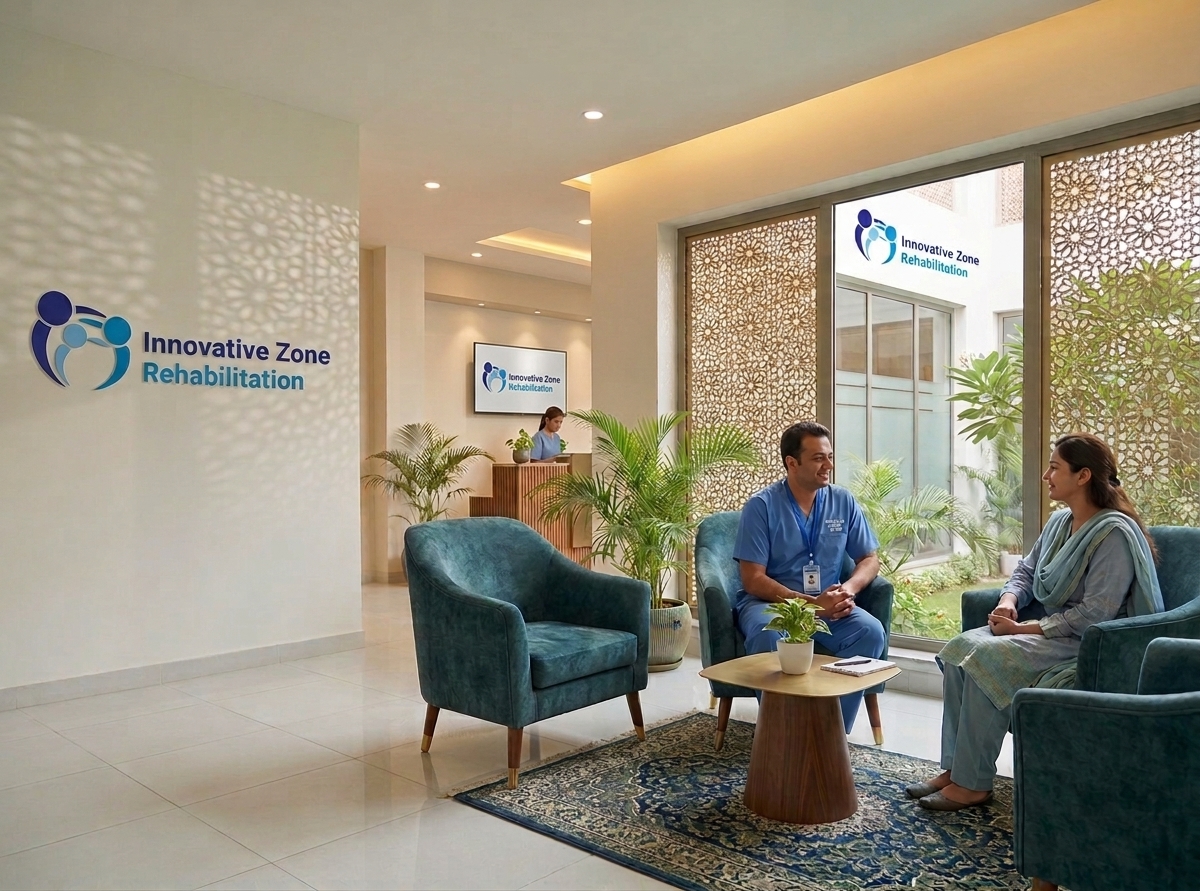
A supportive environment can also make the recovery process more manageable. Patients should be treated with dignity, respect, and confidentiality throughout their treatment.
Types of Rehabilitation Programs
Different individuals require different levels of treatment. A rehabilitation center may offer several types of programs depending on patient needs.
Drug Rehabilitation
Drug rehabilitation focuses on helping individuals overcome problematic use of substances such as opioids, heroin, cocaine, methamphetamine, cannabis, or prescription medications.
Treatment may include assessment, withdrawal management, counseling, behavioral therapy, relapse prevention, and aftercare.
The specific approach depends on the substance involved and the individual’s physical and psychological needs.
Alcohol Rehabilitation
Alcohol dependence can affect both physical and mental health. Some individuals may experience significant withdrawal symptoms when they stop drinking, making professional assessment particularly important.
Alcohol rehabilitation may involve medical evaluation, withdrawal management when appropriate, counseling, behavioral therapy, family support, and long-term recovery planning.
Residential Rehabilitation
Residential rehabilitation involves staying at a treatment facility for a structured period. It can provide a stable environment where individuals can focus on recovery and reduce exposure to some of the people, places, and situations associated with substance use.
Residential programs may include therapy, counseling, recovery education, structured daily activities, and professional support.
Outpatient Rehabilitation
Outpatient rehabilitation allows individuals to receive treatment while continuing to live at home. Depending on their needs, outpatient services may include counseling, therapy sessions, medical appointments, and follow-up support.
A professional assessment can help determine whether residential or outpatient care is more suitable.
Our Rehabilitation Treatment Services
A comprehensive rehabilitation program may include multiple services designed to support different stages of recovery.
Initial Assessment
The first stage is often a detailed assessment. Treatment professionals may discuss the individual’s substance use, frequency and duration of use, previous attempts to stop, medical history, mental health, and current challenges.
The assessment helps identify potential medical risks and determine appropriate treatment options.
Personalized Treatment Plan
Every individual has different circumstances and recovery goals. A personalized treatment plan can address the specific needs of the patient rather than following a one-size-fits-all approach.
Treatment plans may be modified as the individual progresses through rehabilitation.
Medical Evaluation
Medical evaluation can help identify health concerns associated with substance use. Depending on the substance and level of dependence, medical supervision may also be required during withdrawal.
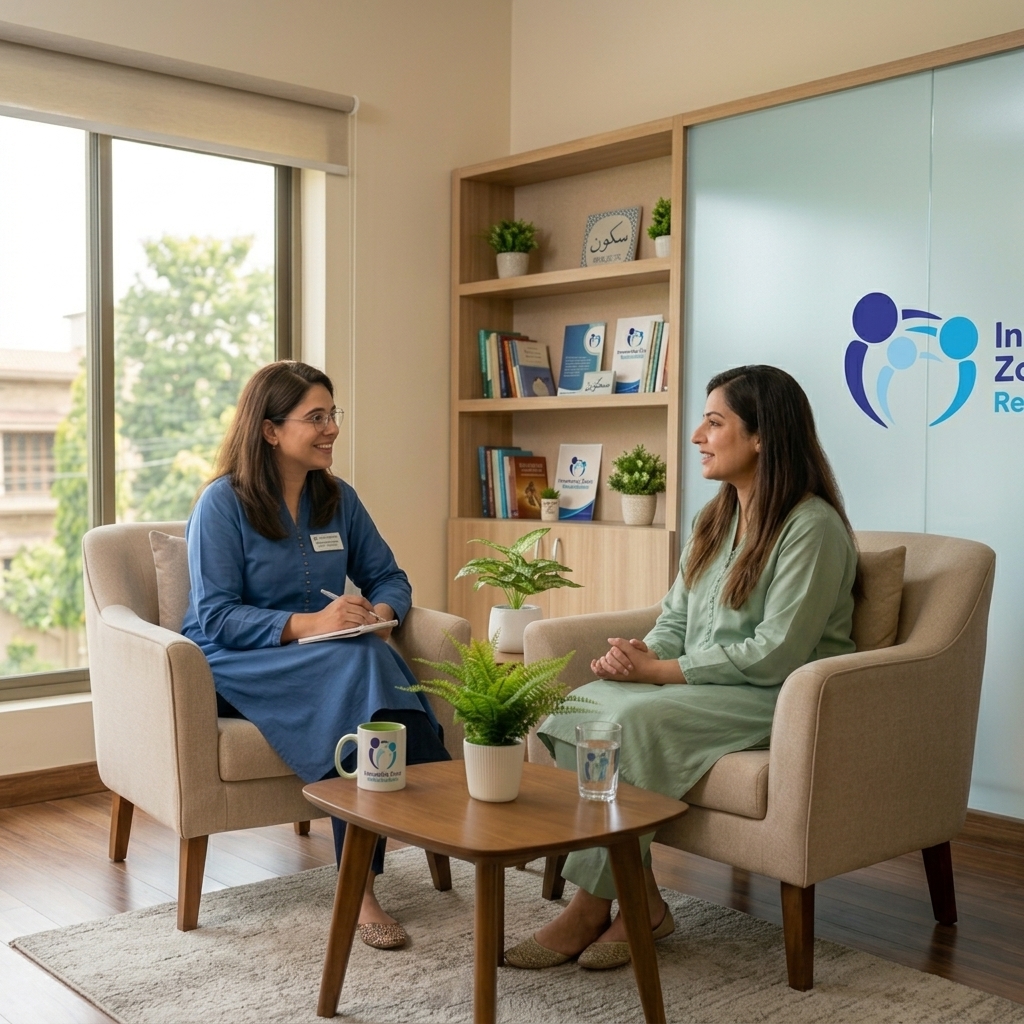
Individual Counseling
Individual counseling gives patients an opportunity to discuss personal challenges, emotional difficulties, triggers, cravings, and recovery goals with a trained professional.
Therapy can help individuals develop healthier ways of dealing with stress and difficult situations.
Group Therapy
Group therapy can provide a supportive environment where people in recovery share experiences, discuss challenges, and learn from one another.
Peer support can help reduce feelings of isolation and encourage individuals to remain engaged with their recovery goals.
Family Counseling
Addiction affects families as well as individuals. Family counseling can help relatives understand addiction, communicate more effectively, establish healthy boundaries, and provide appropriate support.
Family education can also help loved ones understand the difference between supporting recovery and unintentionally enabling continued substance use.
Relapse Prevention
Relapse prevention is an important part of long-term recovery. Treatment can help individuals recognize personal triggers, identify warning signs, manage cravings, and develop practical strategies for high-risk situations.
Drug and Alcohol Detox in Lahore
Detoxification is the process through which the body clears a substance after use is reduced or stopped. It may be an important part of treatment for some individuals.
However, detox is not a complete treatment for addiction. While it addresses the physical process of withdrawal, rehabilitation is needed to address behavioral and psychological factors.
Withdrawal symptoms vary depending on the substance, duration of use, level of dependence, and individual health. Some forms of withdrawal can become medically serious.
For this reason, individuals with significant substance dependence should seek professional medical advice before attempting to stop certain substances suddenly.
After detox, continued rehabilitation and counseling can help individuals work on the underlying factors associated with addiction.
Why Choose a Trusted Rehab Center in Lahore?
Choosing a rehabilitation facility is an important decision. Families should look beyond claims such as “best” or “top” and evaluate the actual services and qualifications of a treatment provider.
Important factors include:
- Qualified healthcare and addiction-treatment professionals
- Personalized treatment plans
- Appropriate medical support
- Counseling and behavioral therapy
- A safe and supportive environment
- Patient privacy and confidentiality
- Relapse-prevention strategies
- Family support services
- Continuing care and aftercare
A reputable treatment center should also clearly explain its treatment methods, available programs, expected duration of care, and costs.
Benefits of Professional Rehabilitation
Professional rehabilitation can provide several potential benefits for individuals struggling with addiction.
Structured Recovery Environment
A structured environment can help individuals establish healthier routines and focus on recovery without some of the distractions associated with everyday substance use.
Professional Support
Qualified professionals can identify medical, psychological, and behavioral needs that may require attention during treatment.
Better Coping Skills
Therapy can help individuals learn healthier ways to manage stress, anxiety, cravings, difficult emotions, and challenging relationships.
Improved Relationships
Recovery can provide an opportunity to rebuild trust and improve relationships with family members, friends, and colleagues.
Healthier Lifestyle
Rehabilitation can encourage healthier daily routines, improved decision-making, and positive lifestyle changes that support long-term recovery.
Relapse-Prevention Support
Treatment can help individuals recognize situations that may increase their risk of returning to substance use and develop strategies to respond to those situations.
How Rehabilitation Treatment Works
Although treatment varies from person to person, the rehabilitation process may generally follow several stages.
Step 1: Initial Consultation
The individual or family contacts a treatment professional to discuss the situation and available options.
Step 2: Comprehensive Assessment
Professionals assess substance use, physical health, mental health, withdrawal risks, previous treatment, and recovery needs.
Step 3: Treatment Planning
A personalized treatment plan is developed based on the assessment.
Step 4: Detoxification, When Appropriate
If withdrawal management is required, medical professionals determine the safest and most appropriate approach.
Step 5: Rehabilitation and Therapy
The individual participates in counseling, behavioral therapy, group support, and other appropriate recovery activities.
Step 6: Recovery Planning
Patients learn how to manage triggers, cravings, stress, and other challenges that could affect their recovery.
Step 7: Aftercare
Continuing support and follow-up can help individuals maintain progress after completing an intensive rehabilitation program.
Family Support During Rehabilitation
Family involvement can be valuable during recovery. However, families often need guidance about how to provide support effectively.
Relatives can encourage professional treatment, listen without unnecessary judgment, establish healthy boundaries, and participate in family counseling when appropriate.
It is also important for family members to understand that addiction is a complex condition and that recovery cannot be forced through pressure alone.
Professional guidance can help families support their loved one while also protecting their own emotional well-being.
How to Choose the Best Rehabilitation Center in Lahore
Before selecting a rehabilitation center, individuals and families should ask questions about the facility and its treatment programs.
Consider the qualifications of the treatment professionals, the types of therapy offered, medical support, treatment environment, privacy policies, and aftercare services.
It can also be useful to ask:
- What types of addiction are treated?
- Is medical supervision available when required?
- What therapy and counseling options are provided?
- Is residential or outpatient treatment available?
- How long does treatment usually last?
- Are family members involved in treatment?
- What happens after the primary treatment program?
- What are the treatment costs and policies?
The best rehabilitation option depends on individual circumstances. A facility that provides personalized care is generally more appropriate than a program that uses the same approach for every patient.
Frequently Asked Questions
What are the best rehabilitation centers in Lahore?
The most suitable rehabilitation center depends on the individual’s specific needs. Look for qualified professionals, personalized treatment, appropriate medical support, counseling, a safe environment, and aftercare services.
How long does rehabilitation treatment take?
There is no universal treatment duration. It depends on the substance involved, severity of dependence, physical and mental health, previous treatment, and individual progress.
What happens during rehabilitation?
Treatment may include assessment, detoxification when appropriate, counseling, behavioral therapy, group support, family counseling, relapse-prevention planning, and aftercare.
Is detox necessary before rehabilitation?
Not everyone requires the same detoxification process. The need for withdrawal management depends on the substance used and the individual’s health and level of dependence. Professional assessment is recommended.
What is the difference between inpatient and outpatient rehab?
Inpatient rehabilitation involves staying at a treatment facility, while outpatient treatment allows a person to live at home while attending scheduled treatment sessions. The appropriate option depends on individual needs.
Can addiction be treated successfully?
Many people achieve meaningful and sustained recovery with appropriate treatment and ongoing support. Recovery is a continuing process, and additional support may sometimes be needed.
Can families participate in rehabilitation?
Family participation may be helpful when appropriate. Family counseling and education can improve understanding, communication, and support during recovery.
Start Your Recovery Journey Today
Finding the best rehabilitation centers in Lahore can be the beginning of an important journey toward recovery. Professional rehabilitation can provide structured treatment, counseling, medical support when required, and strategies for maintaining healthier habits.
Whether an individual needs residential rehabilitation, outpatient care, addiction counseling, withdrawal management, or long-term aftercare, the right treatment should be based on a professional assessment and personal recovery needs.
If you or someone you care about is struggling with substance use, consider speaking with a qualified healthcare or addiction-treatment professional. Recovery takes time, but with appropriate treatment, consistent support, and a commitment to change, individuals can work toward a healthier and more stable future.