


Addiction Center in Lahore | Trusted Rehab & Recovery
Addiction can affect a person’s physical health, mental well-being, relationships, career, education, and overall quality of life. Whether someone is struggling with drugs, alcohol, prescription medicines, or multiple substances, seeking professional support can be an important step toward recovery.
A professional addiction center in Lahore can provide structured treatment, counseling, rehabilitation, and ongoing recovery support. Because every person experiences addiction differently, treatment should be based on individual needs, medical condition, substance use history, and recovery goals.
What Is Addiction Treatment?
Addiction treatment is a combination of medical, psychological, behavioral, and supportive services designed to help individuals overcome problematic substance use and develop healthier ways of living.
Addiction is not simply a matter of willpower. Repeated substance use can change patterns of behavior and make it difficult for a person to stop without support. Professional treatment addresses both substance use and the factors that may contribute to it.
Treatment may include assessment, withdrawal management, counseling, behavioral therapy, rehabilitation, family support, relapse prevention, and aftercare.
Addiction Treatment Center in Lahore
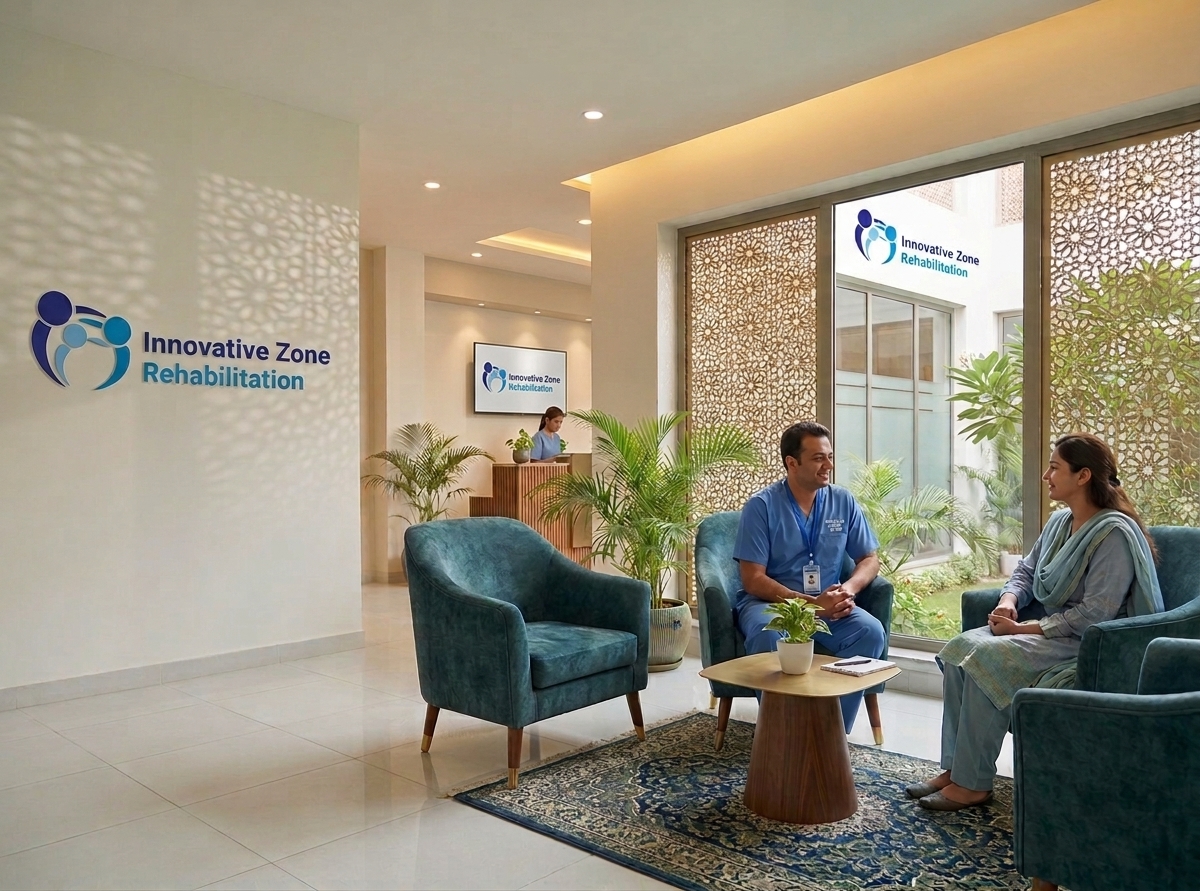
Choosing the right treatment facility is an important decision for individuals and their families. A suitable addiction treatment center should provide a safe and supportive environment where patients can receive appropriate professional care.
At the beginning of treatment, professionals can assess the individual’s substance use, physical health, psychological needs, previous treatment history, and potential withdrawal risks. This information can help determine the most appropriate level of care.
A personalized approach is important because treatment that works for one person may not be suitable for another.
Types of Addiction Treatment
Addiction can involve many different substances, and treatment requirements can vary depending on the substance involved.
Drug Addiction
Drug addiction may involve substances such as heroin, opioids, cocaine, methamphetamine, cannabis, or other drugs. Treatment can address physical dependence, cravings, behavioral patterns, and psychological factors associated with substance use.
Alcohol Addiction
Alcohol dependence can affect physical and mental health and may require professional support, particularly when a person has developed significant physical dependence. Withdrawal from alcohol can sometimes be medically serious, making professional assessment important.
Prescription Medication Misuse
Some people develop dependence on prescription medicines, including certain pain medications, sedatives, or other drugs. Professional treatment can help manage dependence and address the reasons behind medication misuse.
Multiple-Substance Dependence
Some individuals use more than one substance. Treatment in these situations may require a comprehensive assessment to identify medical risks and develop an appropriate recovery plan.
Our Addiction Treatment Programs
A comprehensive treatment program can involve several stages. The exact approach should be determined according to the individual’s needs.
Initial Assessment
Treatment generally begins with an assessment. Professionals may ask about the substance being used, frequency and duration of use, previous attempts to stop, withdrawal symptoms, medical history, and mental health.
This assessment helps identify treatment needs and potential risks.
Personalized Treatment Planning
Following assessment, a treatment plan can be developed. A personalized plan may include medical care, counseling, behavioral therapy, rehabilitation, family involvement, and aftercare.
The plan can also be adjusted as the person progresses through treatment.
Medical Supervision
Some forms of substance dependence can produce significant withdrawal symptoms. Medical professionals can assess whether withdrawal management requires supervision and determine what type of care is appropriate.
Counseling
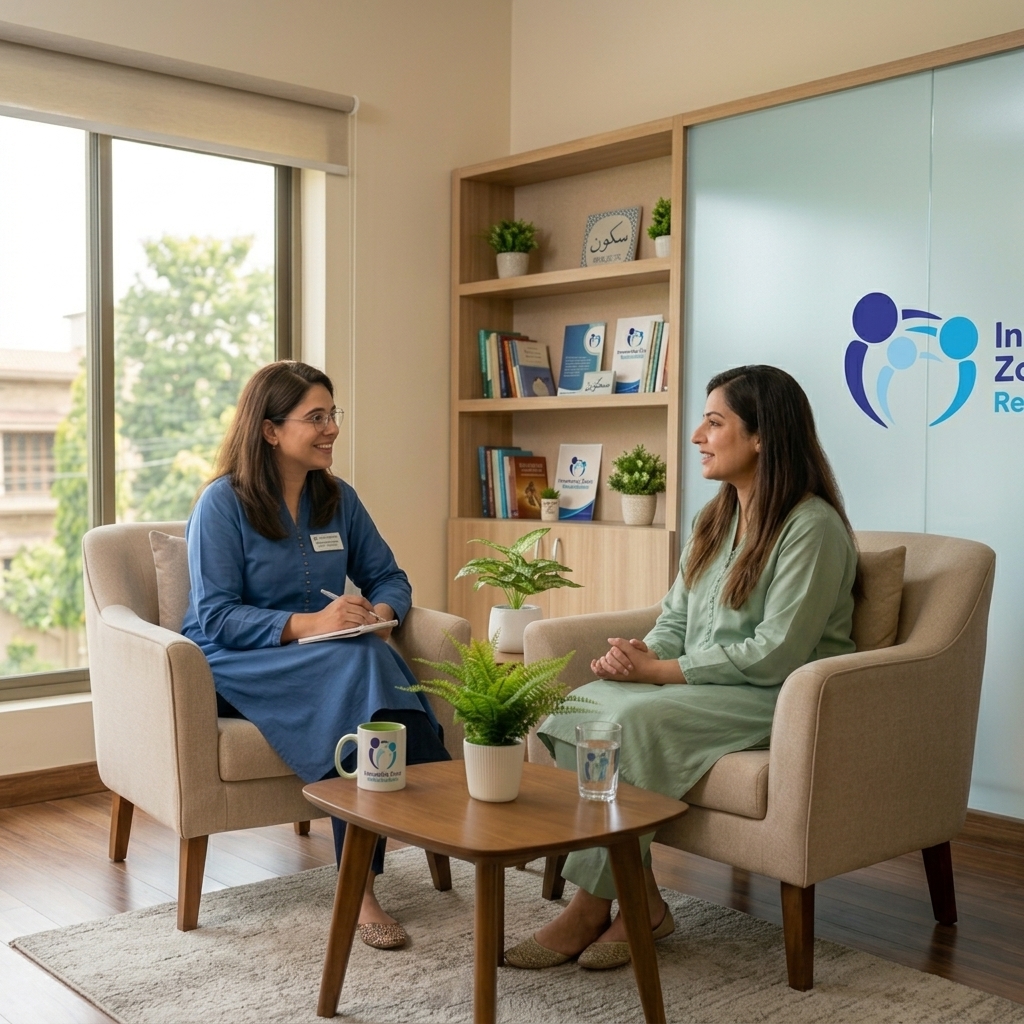
Counseling can help individuals understand their addiction, identify triggers, manage difficult emotions, and develop healthier coping strategies.
Individual counseling offers private support, while group therapy can provide peer encouragement and opportunities to learn from others.
Relapse Prevention
Recovery continues after formal treatment. Relapse-prevention strategies can help individuals recognize triggers, manage cravings, avoid high-risk situations, and develop healthier routines.
Drug and Alcohol Detox in Lahore
Detoxification is often an early stage of treatment. It refers to the process of allowing the body to clear a substance while managing withdrawal symptoms.
Detox is not the same as rehabilitation. While detox may address the physical effects of stopping substance use, rehabilitation focuses more broadly on behavioral, psychological, and social factors.
Withdrawal can range from mild to severe depending on the substance, duration of use, and individual health. Certain substances can cause potentially dangerous withdrawal symptoms. Therefore, people with significant dependence should seek professional medical advice before attempting to stop suddenly.
After detox, continuing treatment can help address the underlying factors associated with addiction and support long-term recovery.
Rehabilitation and Recovery Programs
Rehabilitation provides structured support for people who want to change their relationship with drugs or alcohol.
Inpatient or Residential Rehabilitation
Inpatient or residential treatment involves staying at a treatment facility for a structured period. It can provide a stable environment away from some of the triggers and routines associated with substance use.
Residential programs may include counseling, therapy, recovery education, structured daily activities, and ongoing professional support.
Outpatient Treatment
Outpatient treatment allows a person to receive professional care while living at home. Depending on individual needs, it may include scheduled counseling, therapy, medical appointments, and recovery support.
A healthcare professional can help determine whether inpatient or outpatient treatment is more appropriate.
Family Counseling
Addiction can affect the entire family. Family counseling can help relatives understand addiction, communicate more effectively, establish healthy boundaries, and provide appropriate support.
Family members can play an important role in recovery while also learning how to avoid unintentionally enabling continued substance use.
Why Choose a Trusted Rehab Center in Lahore?
When selecting a rehab center in Lahore, individuals and families should look beyond marketing claims and evaluate the quality of care offered.
Important factors can include:
- Qualified healthcare and mental health professionals
- Individualized treatment plans
- Appropriate medical supervision
- Counseling and behavioral therapies
- Safe and supportive surroundings
- Patient privacy and confidentiality
- Relapse-prevention planning
- Aftercare and follow-up services
A reputable facility should also be transparent about its treatment methods, services, expected duration of care, and costs.
Benefits of Professional Addiction Treatment
Professional treatment can provide several important benefits for individuals struggling with addiction.
Structured Support
A structured treatment program can provide a consistent routine and reduce exposure to some situations that may encourage substance use.
Professional Guidance
Healthcare and addiction professionals can identify medical and psychological needs and help patients choose appropriate treatment options.
Healthier Coping Skills
Therapy can teach individuals healthier ways to manage stress, emotions, cravings, relationships, and difficult situations.
Improved Relationships
Recovery can provide an opportunity to rebuild trust and improve relationships with family members, friends, and colleagues.
Relapse Prevention
Treatment can help people understand their personal triggers and develop strategies to respond to them without returning to substance use.
How Addiction Treatment Works
Although treatment varies from person to person, the process may generally include the following stages.
Step 1: Initial Consultation
The individual or family contacts a treatment professional to discuss the situation and available options.
Step 2: Comprehensive Assessment
Professionals evaluate substance use, health, mental well-being, withdrawal risks, and treatment history.
Step 3: Treatment Plan
An individualized plan is developed based on the assessment.
Step 4: Detoxification, When Appropriate
If withdrawal management is required, medical professionals determine the safest approach.
Step 5: Rehabilitation and Therapy
The individual participates in counseling and appropriate behavioral or psychological treatment.
Step 6: Recovery Planning
The person learns strategies for managing triggers, cravings, stress, and high-risk situations.
Step 7: Aftercare
Ongoing support and follow-up can help maintain progress after the primary treatment program ends.
Family Support in Addiction Recovery
Family support can be an important part of recovery. However, families often need guidance about how to help without encouraging continued substance use.
Family members can:
- Encourage professional treatment
- Listen without unnecessary judgment
- Learn about addiction and recovery
- Establish healthy boundaries
- Participate in family counseling when appropriate
- Support healthy routines and positive changes
Recovery can take time, and family members may also need emotional support and education throughout the process.
How to Choose the Right Addiction Treatment Center in Lahore
Before choosing a treatment center, ask questions about the facility and its services.
Consider whether the center has qualified professionals, appropriate medical support, individualized treatment plans, counseling services, and a clear aftercare program.
It can also be helpful to ask about the treatment process, expected duration, costs, family involvement, confidentiality policies, and what happens if a patient experiences a medical emergency.
Most importantly, the treatment plan should be based on the person’s specific needs rather than a one-size-fits-all approach.
Frequently Asked Questions
What is the best addiction treatment center in Lahore?
The right treatment center depends on the individual’s medical, psychological, and recovery needs. Look for qualified professionals, individualized care, appropriate medical support, evidence-based treatment approaches, and aftercare services.
How long does addiction treatment take?
Treatment duration varies. Some people may need short-term intervention, while others require longer rehabilitation and continuing care. The appropriate duration depends on the severity and nature of the addiction and the person’s response to treatment.
What happens during addiction rehabilitation?
Rehabilitation may include counseling, behavioral therapy, recovery education, structured activities, family support, relapse-prevention planning, and follow-up care.
Is detox necessary before rehab?
Not everyone requires the same detox process. The need for medically supervised withdrawal management depends on the substance used, level of dependence, health status, and withdrawal risks. A professional assessment can determine the safest approach.
Can addiction be treated successfully?
Many people achieve meaningful and sustained recovery with appropriate treatment and ongoing support. Recovery can involve setbacks, and relapse does not mean that treatment has failed. Continued professional support can be important.
How can families help someone with addiction?
Families can encourage professional help, provide emotional support, maintain healthy boundaries, and participate in appropriate counseling or education programs. Professional guidance can help families understand how to support recovery effectively.
Start Your Journey Toward Recovery
Taking the first step toward treatment can be difficult, but professional support can make the recovery process more structured and manageable. A trusted addiction center in Lahore can assess an individual’s needs and recommend an appropriate treatment pathway.
Whether the person requires withdrawal management, residential rehabilitation, outpatient counseling, or ongoing aftercare, professional assessment can help identify the right level of support.
If you or someone you care about is struggling with addiction, consider speaking with a qualified healthcare or addiction-treatment professional. With appropriate care, support, and commitment, recovery is possible.